
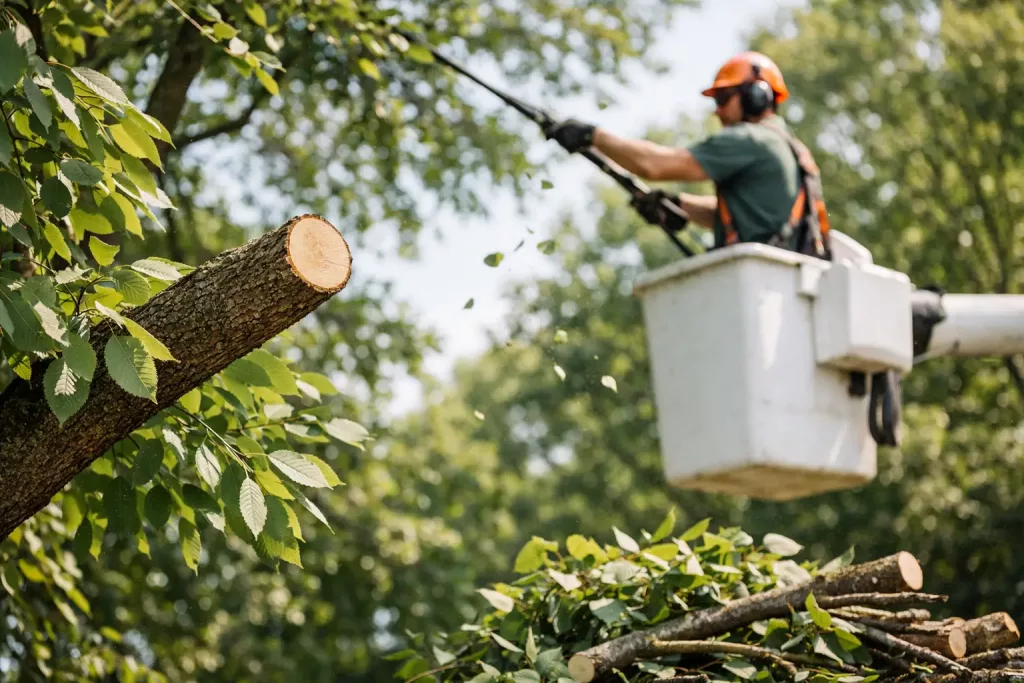
A well-maintained landscape adds beauty and value to any property, but keeping trees healthy and safe requires more than just occasional watering. Regular tree trimming is one of the most critical aspects of proactive property management, yet many owners are unsure of how often it needs to be scheduled. Trimming your trees on a consistent basis not only improves their appearance but also prevents property damage and promotes long-term tree health.
For property owners throughout Central Florida, understanding the ideal timeline for pruning can save thousands of dollars in emergency tree removals and storm damage repairs. This detailed guide breaks down everything you need to know about setting the perfect maintenance schedule for your landscape.
Table of Contents
- How often should trees be trimmed for most properties?
- The biggest factors that affect tree trimming frequency
- A practical tree trimming schedule by tree type
- Signs your tree should be trimmed sooner
- When tree trimming can do more harm than good
- How often should trees be trimmed after storms?
- Why inspections matter more than rigid schedules
- What property owners should do next
How often should trees be trimmed for most properties?
As a general rule, most mature trees on a residential or commercial property should be trimmed every 3 to 5 years. Younger, fast-growing trees may require attention more frequently, often needing a light pruning every 1 to 2 years to establish proper structure and growth patterns.
The exact frequency changes based on the ultimate goals of the property owner. If you are trimming purely for aesthetics or clearance over a roofline, you may need annual touch-ups. If you are trimming for structural health and storm preparedness, a multi-year cycle is typically sufficient.
The biggest factors that affect tree trimming frequency
No two trees are identical, meaning a uniform schedule rarely works. Several key variables dictate how often your specific canopy will need a professional trim:
Tree age and stage of growth
Young trees need frequent, strategic pruning called structural trimming. This process eliminates co-dominant stems, balances the canopy, and ensures a strong central leader trunk. Mature trees, on the other hand, have established frameworks and require less frequent maintenance, focusing instead on deadwood removal and weight reduction.
Tree species
Fast-growing species require much tighter trimming windows. For instance, species like the Camphor or certain maples grow rapidly and can quickly crowd out power lines or structures. Conversely, slow-growing native species like Live Oaks or Southern Magnolias hold their structural shapes longer and can often go several years between pruning sessions.
Location on the property
A tree growing in an open field can expand safely without interference, requiring minimal intervention. However, trees planted close to a house, commercial storefront, parking lot, or public sidewalk must be trimmed regularly to ensure code compliance and safety clearance.
Health and storm exposure
Trees that have suffered past storm damage, pest infestations, or disease often require immediate, specialized pruning to remove compromised limbs. Regular pruning helps open up the canopy to allow wind to flow through smoothly, which significantly reduces the risk of failure during severe weather events.
A practical tree trimming schedule by tree type
To keep your landscape simple, it helps to classify your trees into broader categories:
- Evergreens and Conifers: These generally require very little pruning throughout their lifespan. A light trim every 5 years to remove dead or diseased wood is typically all that is needed.
- Deciduous Fruit Trees: To maximize fruit production and maintain manageable canopy heights, these should be pruned annually during their dormant winter cycle.
- Hardwood Shade Trees (Oaks, Maples): A consistent cycle of every 3 to 5 years keeps these massive canopies structurally sound and clear of nearby utility lines.
Signs your tree should be trimmed sooner
Sometimes you cannot wait for the next scheduled maintenance interval. You should contact a professional arborist immediately if you notice any of these warning signs:
- Branches touching or encroaching on your home’s roof, siding, or nearby power lines.
- Dead, broken, or hanging limbs visible within the interior canopy.
- A sudden, noticeable shift in the tree’s growth angle or weight distribution.
- Cracks forming in the main trunk or at major branch junctions.
When tree trimming can do more harm than good
Trimming is a form of controlled trauma to a tree. If executed incorrectly, it can cause severe, permanent damage. Over-pruning, also known as “lion’s tailing” or “topping,” is incredibly harmful. It strips away the tree’s energy-producing leaves, leaving the trunk vulnerable to sunscald, pests, and disease.
Never remove more than 25% of a tree’s living canopy in a single season. Stripping too much foliage forces the tree to panic, producing weak, rapid shoots called watersprouts that are highly susceptible to breaking in heavy winds.
How often should trees be trimmed after storms?
Following a major storm event, your normal maintenance schedule goes out the window. High winds often leave hidden structural cracks, split branches, and loose hangers high up in the canopy that pose an immediate safety risk.
An emergency safety inspection should be completed right away following any severe storm. A professional crew can safely remove immediate hazards, smooth out jagged bark tears to prevent fungal infections, and preserve the rest of the surviving structure.
Why inspections matter more than rigid schedules
While an automated calendar reminder is helpful, nothing replaces an on-site visual assessment by a certified professional. Environmental factors like drought, local construction, and shifting soil can dramatically impact how a tree grows from year to year.
An annual inspection by an ISA Certified Arborist ensures minor structural flaws are caught and corrected before they evolve into costly property liabilities.
What property owners should do next
The best way to protect your landscape investment is to establish a long-term maintenance plan. Stop guessing when your property is due for its next trim and let an expert look at the unique needs of your trees.
At Tree Amigos, our certified team provides comprehensive structural inspections, precision trimming, and emergency storm care. We help you create a predictable, budget-friendly care schedule that keeps your property pristine and entirely safe through every season. Contact us today to schedule your custom site assessment.